Landscaper screens topsoil and gravel directly onsite
Proserpine, QLD
Landscaping projects often uncover mixed soil, rubble and gravel that still contains valuable material. Paul Deering Landscapes introduced a FlipScreen screening bucket to quickly process these materials onsite. Clean topsoil and usable aggregates were separated during excavation, allowing the team to reuse material immediately while reducing waste removal and imported soil costs.
Paul Deering Landscapes
During landscaping and site preparation works, Paul Deering Landscapes frequently encountered soil mixed with stones, rubble and organic debris. Although much of the material still contained usable topsoil, separating it efficiently was difficult without dedicated screening equipment. Stockpiles quickly built up on active job sites, limiting available working space and slowing progress. Sending material away for disposal while importing new soil and aggregates increased project costs and added unnecessary transport. The team needed a practical way to clean and reuse soil as part of the normal excavation process while keeping machinery and crews productive across multiple landscaping tasks.
Challenge
To solve the issue, the company added a FlipScreen WL130 to its machinery fleet. The screening bucket allowed operators to process excavated soil as part of their normal loading routine. Material placed into the bucket was rotated through the screening drum, allowing fine soil to fall through the mesh while rocks, rubble and oversize debris remained inside. By selecting different mesh sizes, the team could produce soil suitable for turf preparation, garden beds or general fill. Because the FlipScreen moved with the loader, screening could be performed anywhere on the site without stopping other landscaping activities.
Solution
The introduction of the FlipScreen significantly improved how Paul Deering Landscapes managed site material. Instead of hauling away mixed spoil, operators could quickly convert it into clean topsoil ready for immediate use across the project. This reduced waste volumes, minimised the need for imported soil and kept work areas clear of unnecessary stockpiles. The ability to screen material as part of normal excavation also meant projects progressed more smoothly, with less downtime between stages. Overall, the business achieved greater efficiency, lower material costs and better utilisation of the resources already present onsite.
Result
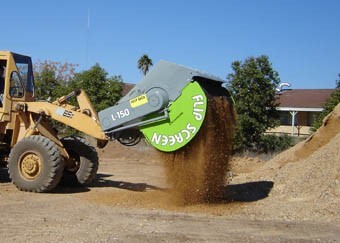
FlipScreen WL130 helps create reusable topsoil onsite.
Landscaping
WL130
Topsoil and rubble
Industry:
FlipScreen Model:
Material:
Landscaper screens topsoil and gravel directly onsite
Proserpine, QLD
During landscaping and site preparation works, Paul Deering Landscapes frequently encountered soil mixed with stones, rubble and organic debris. Although much of the material still contained usable topsoil, separating it efficiently was difficult without dedicated screening equipment. Stockpiles quickly built up on active job sites, limiting available working space and slowing progress. Sending material away for disposal while importing new soil and aggregates increased project costs and added unnecessary transport. The team needed a practical way to clean and reuse soil as part of the normal excavation process while keeping machinery and crews productive across multiple landscaping tasks.
Challenge
To solve the issue, the company added a FlipScreen WL130 to its machinery fleet. The screening bucket allowed operators to process excavated soil as part of their normal loading routine. Material placed into the bucket was rotated through the screening drum, allowing fine soil to fall through the mesh while rocks, rubble and oversize debris remained inside. By selecting different mesh sizes, the team could produce soil suitable for turf preparation, garden beds or general fill. Because the FlipScreen moved with the loader, screening could be performed anywhere on the site without stopping other landscaping activities.
Solution
The introduction of the FlipScreen significantly improved how Paul Deering Landscapes managed site material. Instead of hauling away mixed spoil, operators could quickly convert it into clean topsoil ready for immediate use across the project. This reduced waste volumes, minimised the need for imported soil and kept work areas clear of unnecessary stockpiles. The ability to screen material as part of normal excavation also meant projects progressed more smoothly, with less downtime between stages. Overall, the business achieved greater efficiency, lower material costs and better utilisation of the resources already present onsite.
Result
Landscaping
WL130
FlipScreen WL130 helps create reusable topsoil onsite.
Topsoil and rubble
Industry:
FlipScreen Model:
Material:
Landscaping projects often uncover mixed soil, rubble and gravel that still contains valuable material. Paul Deering Landscapes introduced a FlipScreen screening bucket to quickly process these materials onsite. Clean topsoil and usable aggregates were separated during excavation, allowing the team to reuse material immediately while reducing waste removal and imported soil costs.
Paul Deering Landscapes
Landscaper screens topsoil and gravel directly onsite
Proserpine, QLD
During landscaping and site preparation works, Paul Deering Landscapes frequently encountered soil mixed with stones, rubble and organic debris. Although much of the material still contained usable topsoil, separating it efficiently was difficult without dedicated screening equipment. Stockpiles quickly built up on active job sites, limiting available working space and slowing progress. Sending material away for disposal while importing new soil and aggregates increased project costs and added unnecessary transport. The team needed a practical way to clean and reuse soil as part of the normal excavation process while keeping machinery and crews productive across multiple landscaping tasks.
Challenge
To solve the issue, the company added a FlipScreen WL130 to its machinery fleet. The screening bucket allowed operators to process excavated soil as part of their normal loading routine. Material placed into the bucket was rotated through the screening drum, allowing fine soil to fall through the mesh while rocks, rubble and oversize debris remained inside. By selecting different mesh sizes, the team could produce soil suitable for turf preparation, garden beds or general fill. Because the FlipScreen moved with the loader, screening could be performed anywhere on the site without stopping other landscaping activities.
Solution
The introduction of the FlipScreen significantly improved how Paul Deering Landscapes managed site material. Instead of hauling away mixed spoil, operators could quickly convert it into clean topsoil ready for immediate use across the project. This reduced waste volumes, minimised the need for imported soil and kept work areas clear of unnecessary stockpiles. The ability to screen material as part of normal excavation also meant projects progressed more smoothly, with less downtime between stages. Overall, the business achieved greater efficiency, lower material costs and better utilisation of the resources already present onsite.
Result
Landscaping
WL130
FlipScreen WL130 helps create reusable topsoil onsite.
Topsoil and rubble
Industry:
FlipScreen Model:
Material:
Landscaping projects often uncover mixed soil, rubble and gravel that still contains valuable material. Paul Deering Landscapes introduced a FlipScreen screening bucket to quickly process these materials onsite. Clean topsoil and usable aggregates were separated during excavation, allowing the team to reuse material immediately while reducing waste removal and imported soil costs.
Paul Deering Landscapes

6 a.m - 9 p.m (Mon - Sun)
contact@strongx.com
+259 (0) 256 215